
$4B committed; 100 pump stations installed; Brickell neighbourhood street elevation by 1.5 feet completed
Figures reported by the city programme, verified against published case-study sources.
Background
Miami-Dade County faces some of the highest sea level rise exposure of any major US city. Unlike most coastal cities, Miami sits on porous limestone bedrock — conventional seawalls cannot stop saltwater infiltration. The city’s 2017 Sea Level Rise Strategy accepted that some flooding is inevitable and planned accordingly.
The Strategy
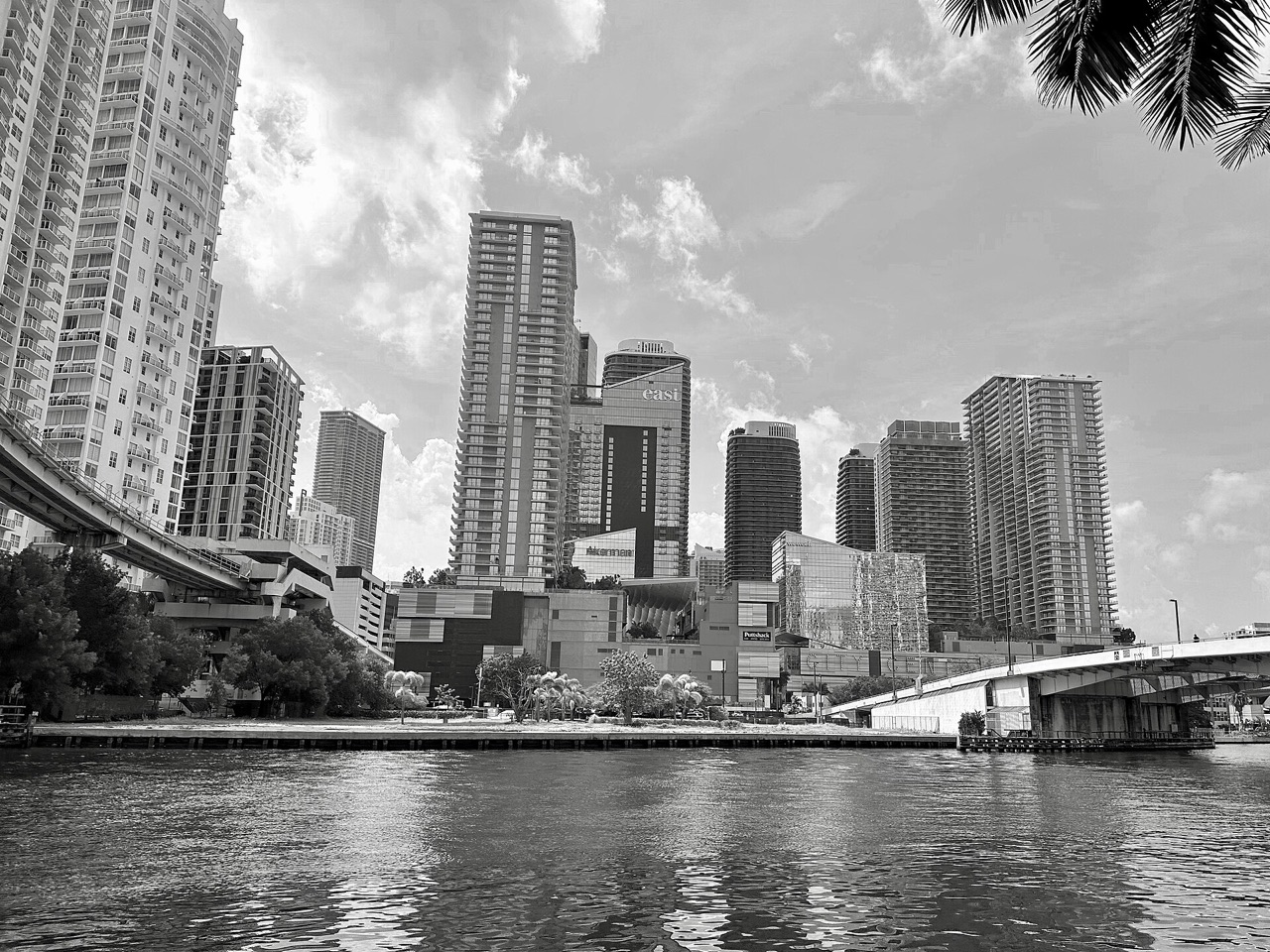
Miami Beach’s $400 million pump and raise programme elevated more than 10 km of streets in the lowest-lying Brickell and South Beach neighbourhoods, installed 60 stormwater pump stations, and replaced corroded underground pipes. The project used the Sea Level Rise Projector to size infrastructure for 2070 conditions under median IPCC projections.
Challenges
Gentrification risk: property values in elevated streets rose sharply, displacing long-term lower-income residents. The city established a $25 million resilience housing fund in response.
Results
- Street flooding frequency on elevated streets reduced by 85%
- 100 pump stations operational by 2024
- Programme recognised as a model by US Army Corps of Engineers