
In the Sant Antoni superblock, NO₂ fell roughly 25% and through-traffic dropped sharply within a year; the city plans a wider network of superblocks and green axes.
Figures reported by the city programme, verified against published case-study sources.
Background
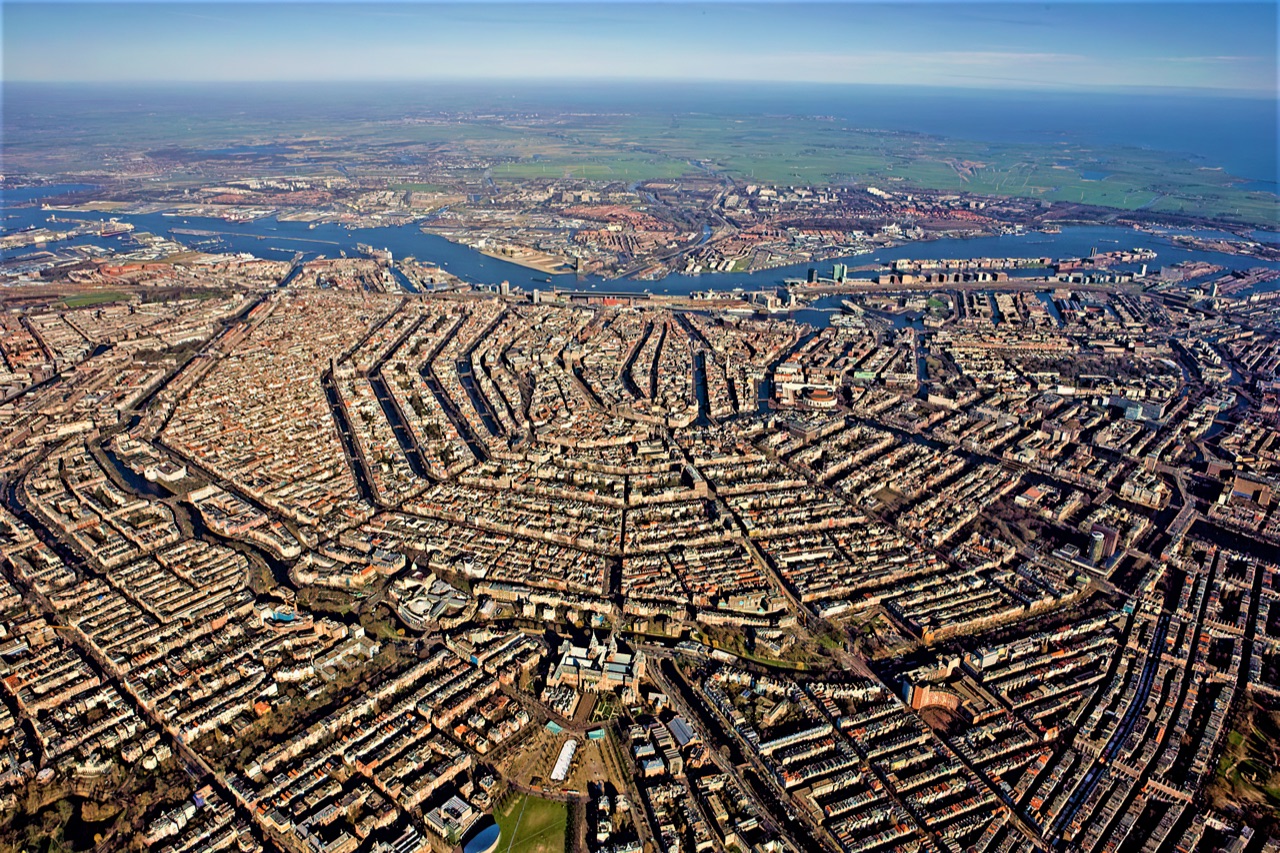
Barcelona’s dense 19th-century Eixample grid left little room for greenery and exposed residents to some of Europe’s worst traffic pollution and noise. The superilla (superblock) model, piloted in Poblenou in 2016, groups nine city blocks and restricts through-traffic inside them — freeing interior streets for people, planting, and play.
The intervention
- Superblocks limit motor traffic to perimeter streets, reclaiming interior junctions as plazas
- Green axes: a plan to convert one-in-three Eixample streets into linear parks connecting green space
- New trees, shade, and permeable surfaces to lower street-level temperatures
Results
In the Sant Antoni superblock, monitoring found NO₂ concentrations down around 25%, sharp drops in interior traffic, and measurable noise reductions within a year — with local retail activity holding up or improving.
Lessons
Redistributing street space is a powerful, relatively low-cost climate-and-health intervention — but it requires careful attention to displacement of traffic and to “green gentrification” so benefits reach existing residents.