
Canopy cover increased from 22% to 29% since 2012; 70,000 new trees; the 'tree email' moment sparked global debate
Figures reported by the city programme, verified against published case-study sources.
Background
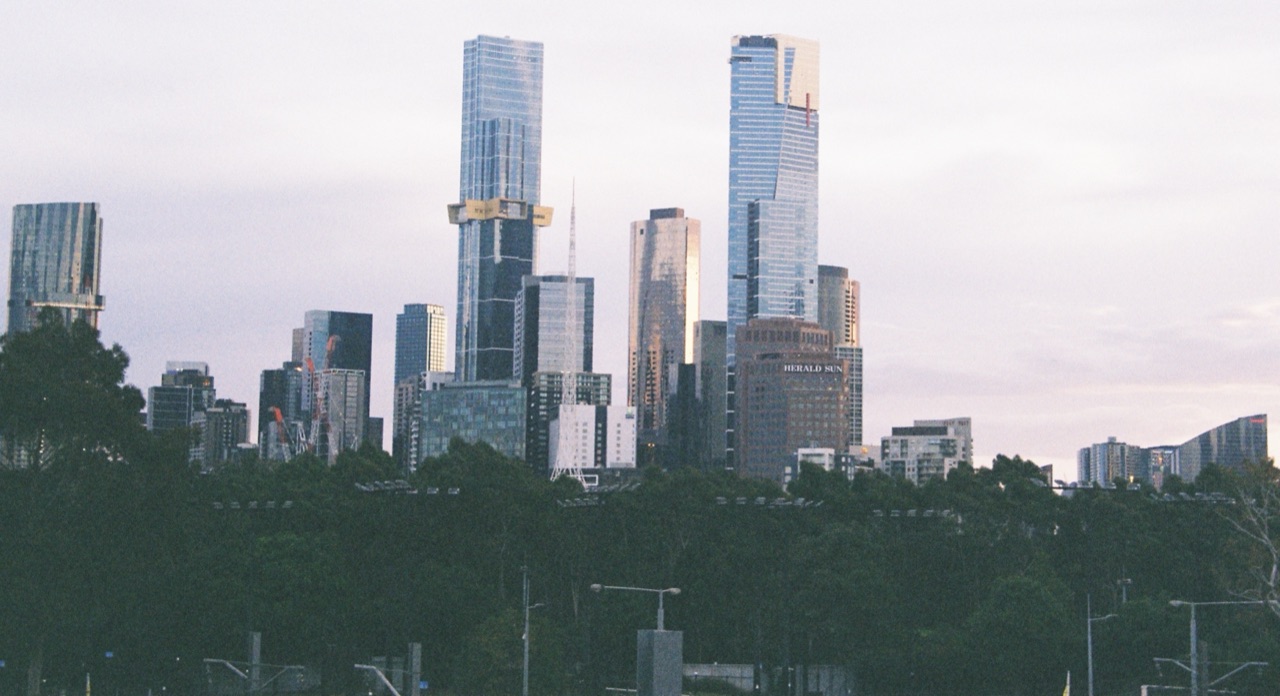
Melbourne’s 2012 Urban Forest Strategy set a target of increasing tree canopy cover from 22% to 40% by 2040. The strategy used the Tree Canopy Analysis Tool to map existing cover and identify equity gaps — a process that famously led to the city assigning email addresses to individual trees so residents could report problems.
The “Tree Email” Moment
The tree email experiment — intended for maintenance reporting — instead generated thousands of love letters to trees. The story went viral globally, transforming a technical GIS exercise into a conversation about human relationships with urban nature. Melbourne’s dataset, now publicly available, has become a benchmark for urban forest equity research.
Results
- Canopy cover increased from 22% to 29% since 2012 — on track for 40% by 2040
- 70,000 new trees planted, with 45% in high-heat, low-canopy suburbs
- Urban Forest Fund raised A$5 million from private donations for tree planting
- Melbourne’s canopy analysis methodology adopted by 12 Australian cities
Equity Focus
Analysis showed inner-city wealthy suburbs already had 35–40% canopy while outer suburban working-class areas had under 10%. The strategy explicitly redirected 70% of new planting to low-canopy, high-heat suburbs.