
3°C average temperature reduction on corridor streets; 36,000 new trees; 2.4 million annual corridor users
Figures reported by the city programme, verified against published case-study sources.
Background
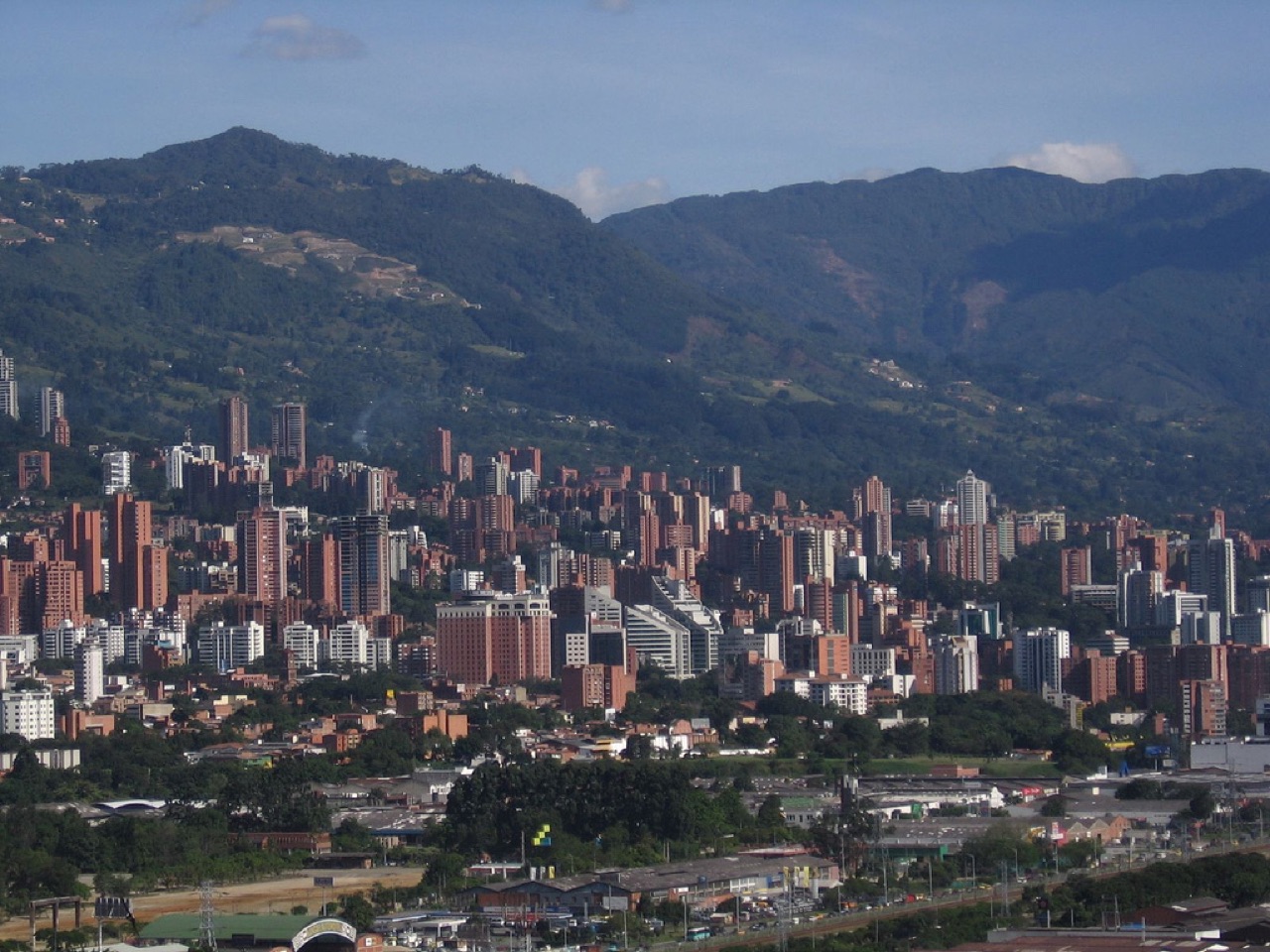
Medellín’s urban form — a dense valley city hemmed by steep hillsides — created intense heat pockets in the urban core. Average temperatures on major arterials exceeded 30°C in summer, and the city’s informal settlements on the hillsides had almost no green cover.
The Corredores Verdes Programme
Beginning in 2016, Medellín transformed 30 major arterial roads into green corridors — replacing car lanes with raised planting beds, installing shade trees (predominantly native species), and rebuilding pedestrian and cycling infrastructure. The €16 million programme was completed in 18 months.
Results
- Average surface temperature on intervention streets reduced by 3.0°C (range: 1.8–4.2°C)
- Particulate matter (PM2.5) reduced by 14% in corridor zones
- Cycling trips increased 400% on corridor routes
- Programme attracted $200 million in follow-on climate finance from IDB and World Bank
Global Recognition
Medellín’s approach — now called “urban acupuncture” — has become a global reference for low-cost, high-impact street-level cooling and was cited in the IPCC AR6 as a best-practice nature-based solution.